


Hello, community! To succeed in affiliate marketing, you must not only be able to find profitable setups but also scale them. This is possible not only when you have a sufficient budget. You also need to know how to use multiple accounts, particularly to bypass daily or weekly spend limits. This is exactly where understanding what a fingerprint is — and how to use it — becomes essential.
Before we begin, let us remind you that we have already explained what spend is. We recommend checking it out!
What is a fingerprint?
Every internet user leaves traces behind — almost like fingerprints. That is where the term “fingerprint” comes from. However, these traces look quite different from traditional fingerprints.
A digital fingerprint contains all the key information about a user. Unlike a physical fingerprint, it will not match 100% every time. Some parameters may overlap between users, and that is considered normal.
Affiliates use fingerprints to impersonate different users. They integrate them into anti-detect browsers. After activating a fingerprint, platforms will not recognize that it is you performing actions. For platforms like Facebook, it will appear to be a completely different user.
However, this is useful not only for Facebook. Fingerprints are applied in other cases as well — for example, when testing whether affiliate tracking works correctly. To avoid exposing your real data and being accused of fraud, it is better to conduct all tests using fake digital fingerprints.
What are the components of a fingerprint?
Modern platforms actively fight multi-accounting. Does it work? It may filter out beginners. However, experienced affiliates can still bypass even the most sophisticated detection systems.
It is important to understand what exactly a fingerprint consists of. This helps you see what platforms monitor when attempting to detect and block users. Today, platforms identify users not only by IP or MAC address.
The basic, or static, part of a digital fingerprint includes:
- IP address. It provides default user information, such as the country from which the site was accessed. Even though dynamic IP addresses exist, IP remains an important fingerprint component.
- User-Agent. This provides more detailed information. It allows detection systems to determine the device type, operating system, browser, and more. It may even include data about applications installed on top of the browser.
- Accept parameters. These reveal the user’s language preferences. Identification can also occur through navigator.language parameters, which usually match Accept headers. Add to this the Timezone parameter, which provides time zone information. Platforms often extract this via JavaScript.
In general, JavaScript can extract nearly all user-related information. If the parameters above form the foundation that works across devices and platforms, JavaScript adds a deeper functional layer.
Scripts can identify users by parameters such as:
- Screen resolution. Even color depth can be detected, making identification easier for platforms;
- Hardware data: processor type, RAM size, number of cores or threads;
- Installed browser extensions or even system fonts.
And much, much more. There are even less obvious parameters that scripts collect to fully identify users — such as connected devices, graphics card identifiers, and similar data points.
Conclusion
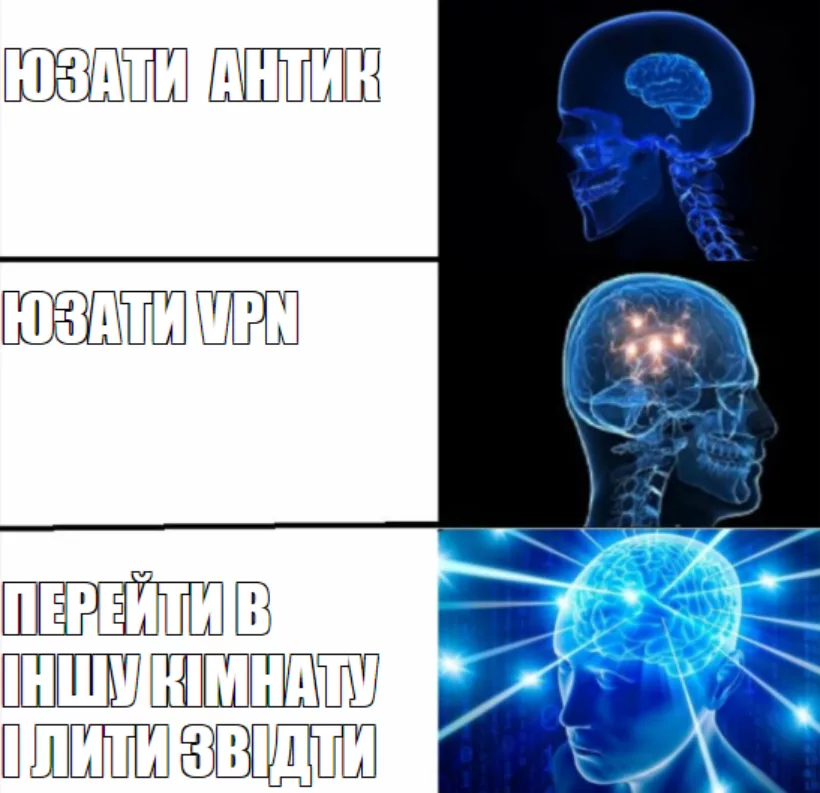
Analyzing all of this makes it clear that bypassing a platform that actively identifies users is extremely difficult. A simple VPN is not a solution — in fact, it is practically useless in modern conditions.
However, spoofing a fingerprint in detail is not that complicated. Anti-detect browsers can replicate a user’s fingerprint across all parameters. This allows you to operate multiple accounts even on the most strict platforms.
If you want to become even more technically advanced, join our Telegram community, where we always share relevant and valuable insights!
Respectfully, your Geek!
What Is a Fingerprint FAQs
Every internet user leaves traces behind — almost like fingerprints. That is where the term “fingerprint” comes from. However, they look quite different from traditional ones. A digital fingerprint contains all key information about a user.
Affiliates use fingerprints to impersonate different users. They integrate them into anti-detect browsers. After activating the fingerprint, platforms will not recognize that it is you performing actions. For platforms like Facebook, it appears as a completely different user.