


Hello, community! Sometimes situations arise where we категорically do not want a certain type of traffic to reach our landing page. In such cases, affiliates resort to the magic we call cloaking.
Today we’re going to refresh your knowledge about this process and explain the three key types of cloaking, as well as the potential liability for using this method.
Before we begin, we recommend checking out our previous review. It may also be very useful!
What is cloaking?
Cloaking is a method of masking primary content where, for example, a moderator or search engine sees one version of the content, while the target visitor sees a completely different one. Essentially, it is a way to mislead the segment of traffic we consider unwanted.
Although “segment” may be an exaggeration. In practice, affiliates mainly try to avoid the strict eye of a Facebook moderator who just needs a reason to ruin an ad campaign. Cloaking helps with that as well.
Here’s how it works:
- We launch ads for gambling, creating a creative that only hints at what awaits the lead after clicking;
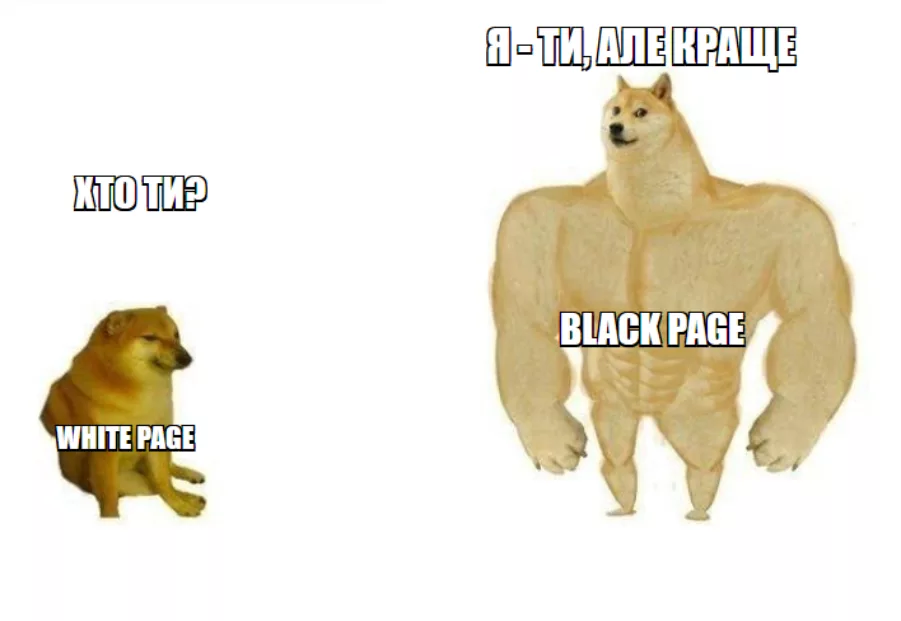
- The moderator clicks the link but sees not the real landing page, rather a White Page — completely safe content that will most likely be approved;
- Meanwhile, the target traffic is redirected to the main landing page — for example, directly to a casino page.
This works thanks to additional cloaking services used by affiliates. Their mechanism filters traffic, detects bots (and in most cases moderation is automated), search crawlers, and redirects them to the white page.
The system works almost automatically. Only in complex projects might you need to manually adjust filters to ensure the campaign survives throughout its lifecycle.
Mechanically, you simply configure everything once, receive a special link, and use it when creating your ad. In our Services section, you can find reliable cloaking tools that allow you to run traffic in almost any vertical — even through Facebook.
What else is cloaking used for?
Cloaking is not only used to bypass moderation. It is widely applied in other cases, such as:
- Protecting against competitors or search bots;
- Filtering non-target traffic, for example by GEO;
- Acting as an anti-fraud system to block bot traffic from low-quality ad networks.
In other words, cloaking helps preserve your budget by limiting irrelevant traffic that would otherwise “eat it up.”
It is also often used to protect content — for example, preventing SPY services from collecting data from your site. This is relevant if you’re running a unique bundle and don’t want competitors copying it.
However, we cannot ignore “gray schemes,” where cloaking directs search bots to a specially optimized page to artificially improve rankings, while real users see completely different content.
Types of cloaking
Depending on the level of manipulation, cloaking can be divided into three types:
- White
- Gray
- Black
Let’s break them down.
What is white cloaking?
White cloaking is the safest approach. It simply filters traffic to optimize ad spend. For example, if you don’t want traffic from Brazil reaching a product page targeting Portugal, cloaking can block it in just a few clicks.
White cloaking does not replace content. It only filters traffic. Bots and target visitors see the same page, while unwanted traffic simply doesn’t get access. No deception involved.
What is gray cloaking?
Gray cloaking is more common in SEO. It involves hidden optimization for search bots, such as adding keyword blocks visible only to crawlers.
This method may lead to penalties, as it manipulates search algorithms. While it may not immediately result in a ban, ranking drops and restrictions are possible.
What is black cloaking?
Black cloaking is commonly used in affiliate marketing — and it almost certainly leads to sanctions if detected.
It involves deceiving search engines or moderators by creating separate landing pages for them — typically a White Page — while real users see the offer page.
If an affiliate wants to promote a restricted offer, they create a compliant landing page for moderators. Once approved, real traffic is redirected to the actual offer.
The risks are significant: account bans, budget loss, and user dissatisfaction if creatives promise one thing but deliver another.
Black cloaking is also harder to configure. If moderation is manual and not filtered properly, a ban becomes almost inevitable.
Additionally, creatives must be “whitened” — hinting at the real product without triggering moderation. This process can be as complex as setting up the cloaking system itself.

Therefore, despite its potential benefits, black cloaking carries risks that often outweigh the advantages.
Is there liability for using cloaking?
Context matters. If traffic is directed to illegal products, criminal liability is possible in some jurisdictions.
In certain countries, even misleading advertising — where moderators see one page and users another — can result in fines or legal action.
How do ad networks react to cloaking?
Ad networks continuously improve detection systems to prevent affiliates from bypassing moderation. It is becoming increasingly difficult to hide campaigns promoting unverified nutra offers.
Using cloaking with expensive agency accounts is extremely risky due to potential financial losses. Most affiliates instead use multiple lower-cost farmed accounts.
Even those accounts are likely to be banned eventually. It’s only a matter of time and depends on the cloaking setup and creative whitening quality.
Conclusion
Cloaking allows affiliates to work with highly profitable verticals even in networks where such products are officially prohibited. Despite the risk of sanctions, many affiliates continue using it in pursuit of profit.
Do you use cloaking in your bundles? Share your insights in our Telegram community — a trusted Ukrainian community of professional affiliates!
Respectfully, Your Geek!
Frequently Asked Questions
Cloaking is a method of hiding primary content so that moderators or search bots see one version of a page while real users see another. It is used to filter traffic and mislead moderation systems.
There are three types: white, gray, and black. White filters traffic without deception, gray is used for hidden SEO optimization, and black creates separate pages for moderators and users, allowing restrictions to be bypassed but carrying high risks.
Yes. Liability depends on the product being promoted. Advertising illegal goods may lead to criminal consequences, and misleading users through white and black pages can result in fines or penalties in some jurisdictions.